

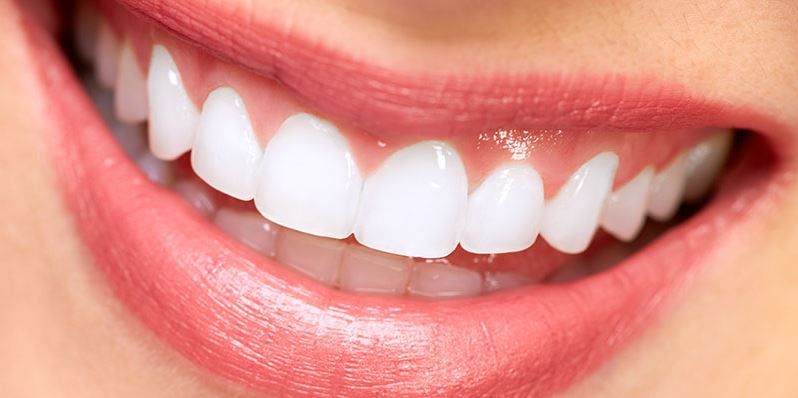
A confident smile can change how you feel, speak, and connect with others. Yet many people delay improving their teeth because of persistent cosmetic dentistry myths. These misconceptions often sound convincing—but they’re outdated, incomplete, or simply untrue. Let’s separate fact from fiction so you can make informed choices about your smile.
Myth 1: Cosmetic Dentistry Is Only About Vanity
Cosmetic dentistry isn’t just about looks. While appearance matters, many treatments also improve oral health and function.
The reality
-
Straightening teeth can reduce uneven wear and jaw strain
-
Restoring chipped or cracked teeth can prevent further damage
-
A balanced bite can make chewing more comfortable
A healthier smile often looks better because it works better.
Myth 2: Cosmetic Procedures Look Fake or Obvious
This belief comes from seeing older dental work or poorly done cases. Modern cosmetic dentistry focuses on natural proportions, color matching, and facial harmony.
Today’s techniques emphasize
-
Custom shading that matches surrounding teeth
-
Materials that reflect light like natural enamel
-
Conservative designs that enhance—not replace—your features
Most people won’t notice what changed—only that you look more confident.
Myth 3: Cosmetic Dentistry Is Painful
Pain anxiety keeps many people away from the dental chair. Fortunately, advances in technology have transformed patient comfort.
What’s changed
-
Minimally invasive techniques
-
Improved local anesthesia
-
Shorter recovery times
Most cosmetic treatments feel similar to routine dental visits, with mild or no discomfort.
Myth 4: It’s Only for the Wealthy
While some procedures can be an investment, cosmetic dentistry is no longer reserved for a select few.
Accessible options include
-
Teeth whitening
-
Dental bonding
-
Minor reshaping or contouring
Many clinics also offer flexible payment plans, making treatments achievable for different budgets.
Myth 5: Cosmetic Treatments Damage Healthy Teeth
This myth stems from older methods that required aggressive tooth reduction. Modern dentistry prioritizes preservation of natural tooth structure.
Modern approaches focus on
-
Minimal enamel removal
-
Strengthening weakened areas
-
Reversible or low-impact treatments when possible
In many cases, cosmetic work protects teeth rather than harming them.
Myth 6: Results Don’t Last Long
Another common concern is that cosmetic improvements are temporary. While no dental treatment lasts forever, proper care makes a huge difference.
With good habits, results can last
-
Years for whitening with maintenance
-
A decade or more for veneers and bonding
-
Even longer with regular dental checkups
Longevity depends more on care than on the procedure itself.
Myth 7: You Must Fix Everything at Once
Some people believe cosmetic dentistry means a full smile makeover—or nothing at all.
In reality
-
Treatments can be gradual
-
You can start with one tooth or one concern
-
Plans are often phased over time
Even a small improvement can significantly boost confidence.
Why These Myths Matter More Than You Think
Believing these myths doesn’t just delay treatment—it can affect how you speak, laugh, and show up socially. When people hide their smiles, it often impacts self-esteem, communication, and emotional well-being. Accurate information empowers better decisions and healthier confidence.
Final Thoughts
Cosmetic dentistry has evolved into a safe, personalized, and health-conscious field. Letting go of outdated myths opens the door to options that can genuinely improve how you feel about your smile—and yourself.
Frequently Asked Questions
1. Is cosmetic dentistry suitable for older adults?
Yes. Age is rarely a barrier. Healthy gums and teeth matter more than how old you are.
2. How long does a cosmetic dental consultation usually take?
Most consultations last 30–60 minutes, including evaluation and discussion of options.
3. Can cosmetic dentistry fix uneven gum lines?
Yes. Certain cosmetic procedures can reshape gums for a more balanced smile.
4. Will cosmetic treatments affect my speech?
When properly designed, treatments do not negatively affect speech and may even improve it.
5. Are cosmetic dental materials safe?
Modern materials are extensively tested for safety, durability, and biocompatibility.
6. How soon can I return to normal activities after treatment?
Many procedures allow same-day return to routine activities with minimal restrictions.
7. Can cosmetic dentistry help with confidence issues?
A confident smile often improves self-image, social comfort, and overall quality of life.