

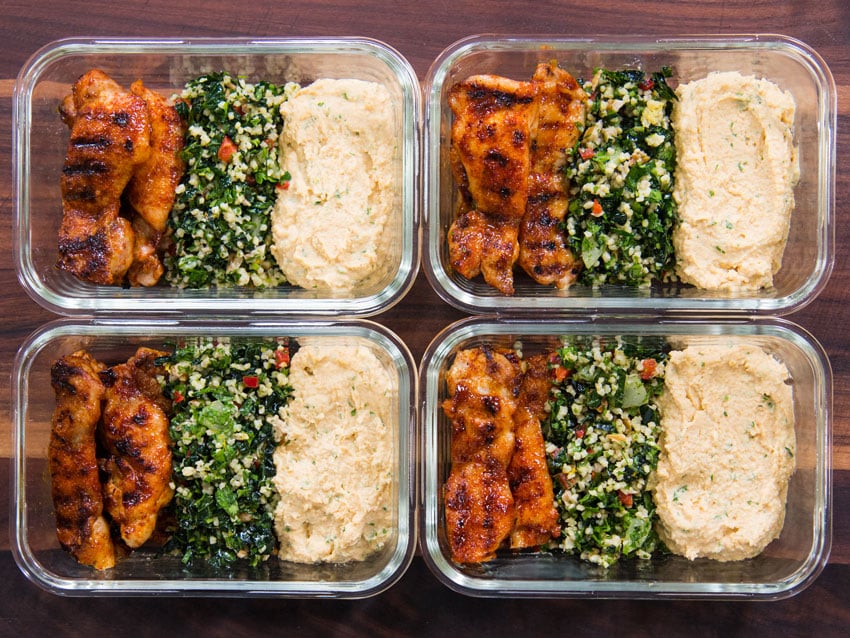
Eating healthy is often mistaken as expensive, but with the right strategies, nutritious meals can fit comfortably into almost any budget. Budget-friendly nutrition is less about cutting corners and more about making informed, intentional choices. This guide breaks down practical, realistic ways to nourish your body without draining your wallet.
Why Healthy Eating Doesn’t Have to Be Expensive
Many costly grocery items are convenience-driven rather than nutrition-driven. Whole, minimally processed foods often deliver better nutrients per dollar. When you focus on staples, planning, and simple cooking methods, healthy eating becomes surprisingly affordable.
Key mindset shift:
-
Nutrition value matters more than price per item
-
Convenience foods usually cost more with fewer health benefits
-
Simple meals can still be balanced and satisfying
Plan Before You Shop
Create a Weekly Meal Plan
Planning meals reduces impulse purchases and food waste. A basic plan helps you buy only what you need and reuse ingredients across multiple meals.
Benefits of meal planning:
-
Fewer last-minute takeout orders
-
Better use of leftovers
-
Lower grocery bills over time
Shop With a List (And Stick to It)
A shopping list keeps spending focused and prevents unnecessary extras. Organize your list by store sections to save time and avoid distractions.
Choose Affordable, Nutrient-Dense Foods
Some of the most nutritious foods are also the most economical.
Budget-Friendly Staples to Prioritize
-
Whole grains: oats, brown rice, whole wheat pasta
-
Proteins: eggs, dried beans, lentils, canned tuna
-
Produce: bananas, carrots, cabbage, apples
-
Healthy fats: peanut butter, sunflower seeds, cooking oils
These foods are versatile, filling, and rich in essential nutrients.
Buy Seasonal and Frozen Produce
Seasonal Fruits and Vegetables
Seasonal produce is often cheaper and fresher. Prices drop when foods are abundant, making it the perfect time to enjoy variety without overspending.
Frozen Is a Smart Alternative
Frozen fruits and vegetables are:
-
Picked at peak ripeness
-
Often cheaper than fresh
-
Just as nutritious
-
Longer-lasting, reducing waste
Cook More, Eat Out Less
Home cooking is one of the most effective ways to save money while improving diet quality.
Simple Cooking Wins
You don’t need complex recipes. Focus on:
-
One-pot meals
-
Stir-fries
-
Soups and stews
-
Sheet-pan dinners
These meals are cost-efficient, time-saving, and adaptable.
Reduce Food Waste to Save Money
Food waste directly impacts your budget.
Practical ways to reduce waste:
-
Store food properly
-
Freeze leftovers
-
Repurpose meals (roasted vegetables become soup or wraps)
-
Use aging produce in cooked dishes
Every saved item is money saved.
Smart Shopping Habits That Add Up
Compare Unit Prices
The lowest sticker price isn’t always the best deal. Check price per unit to see which option truly costs less.
Store Brands Are Your Friend
Generic or store-brand products often match name-brand quality at a lower price, especially for staples like grains, dairy, and canned goods.
Build Balanced Meals on a Budget
A healthy meal doesn’t need expensive superfoods. Aim for balance instead.
A simple plate includes:
-
Carbohydrates for energy
-
Protein for fullness
-
Vegetables for vitamins and minerals
-
Healthy fats for satiety
Mixing these elements keeps meals nutritious and affordable.
FAQ: Budget-Friendly Nutrition
1. Is eating healthy really cheaper than eating fast food?
Yes. While fast food seems cheap upfront, home-cooked meals typically cost less per serving and offer better nutrition.
2. How can I eat healthy with very limited cooking skills?
Start with simple recipes like oatmeal, scrambled eggs, rice bowls, and frozen vegetable mixes. Minimal skills still go a long way.
3. Are organic foods necessary for healthy eating on a budget?
No. Conventional fruits and vegetables still provide excellent nutrition and are often much more affordable.
4. What’s the best protein source when money is tight?
Beans, lentils, eggs, and canned fish are among the most affordable and nutrient-rich protein options.
5. How can families eat healthy without increasing grocery costs?
Plan meals, buy in bulk, cook at home, and focus on simple, shared ingredients across multiple meals.
6. Do frozen meals fit into a budget-friendly nutrition plan?
Some do, but many are expensive and high in sodium. Whole frozen ingredients are usually a better choice.
7. How long does it take to see savings from eating healthier?
Many people notice grocery savings within the first month once meal planning and home cooking become routine.
