

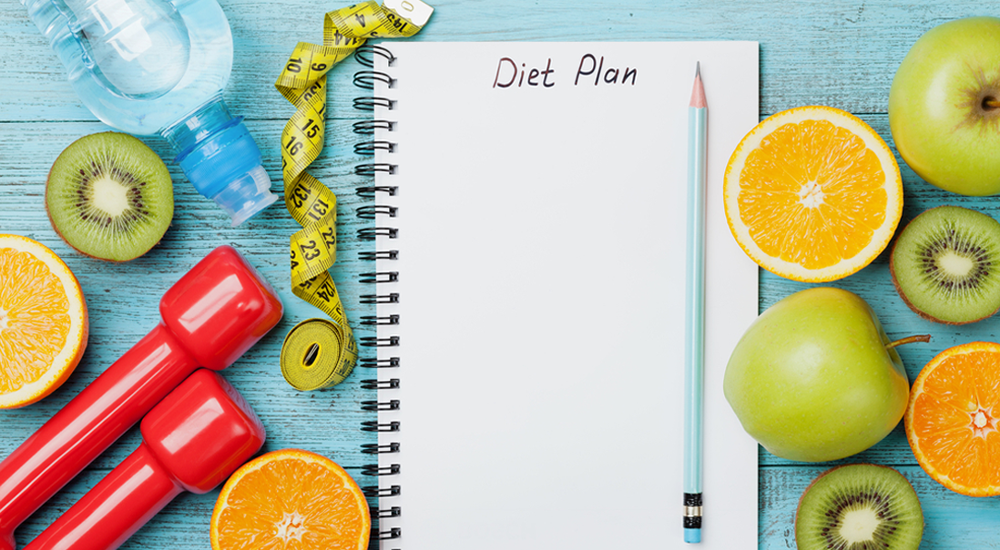
Weight management is not about rigid rules, extreme diets, or chasing unrealistic goals. The most effective plan is one that aligns with your lifestyle, values, and daily responsibilities. When your approach feels natural and sustainable, healthy habits become part of who you are—not something you struggle to maintain.
This guide walks you through building a personalized, realistic weight management plan designed to work with your life, not against it.
Understanding Weight Management Beyond the Scale
Weight management is often misunderstood as simply losing weight. In reality, it focuses on long-term health, energy, and consistency.
What Weight Management Really Means
-
Maintaining a healthy weight range over time
-
Supporting metabolic, mental, and physical health
-
Building habits that are repeatable and flexible
-
Preventing weight cycling caused by restrictive dieting
A plan that fits your life considers your schedule, food preferences, stress levels, and personal goals.
Start With Your Why
Before changing what you eat or how you move, clarify why you want to manage your weight.
Ask yourself:
-
Do I want more energy throughout the day?
-
Am I aiming to reduce health risks?
-
Do I want to feel stronger or more confident?
Your motivation becomes the anchor that keeps you consistent when life gets busy.
Set Goals That Are Realistic and Personal
Vague or extreme goals often lead to frustration. Instead, focus on clear, achievable targets.
Examples of Effective Goals
-
Walk 20–30 minutes, five days a week
-
Prepare home-cooked meals four nights per week
-
Improve portion awareness rather than cutting food groups
-
Aim for steady progress instead of rapid results
Small wins build momentum, making long-term success far more likely.
Design an Eating Style You Can Maintain
There is no single “best” diet. The right approach is one that fits your tastes, culture, and routine.
Key Principles for Sustainable Eating
-
Prioritize whole foods like vegetables, fruits, lean proteins, and whole grains
-
Include foods you enjoy to avoid feelings of deprivation
-
Practice mindful eating by paying attention to hunger and fullness cues
-
Balance meals with protein, fiber, and healthy fats
Consistency matters more than perfection. Occasional indulgences are part of a healthy plan.
Make Movement Fit Your Schedule
Exercise does not need to be intense or time-consuming to be effective. The goal is to move regularly in ways you enjoy.
Simple Ways to Stay Active
-
Walking during breaks or after meals
-
Short home workouts that require minimal equipment
-
Stretching or yoga to improve flexibility and reduce stress
-
Choosing stairs or active errands when possible
When movement feels accessible, it becomes a habit rather than a chore.
Manage Stress and Sleep for Better Results
Weight management is not only about food and exercise. Stress and sleep play a critical role in regulating appetite and metabolism.
Supportive Lifestyle Habits
-
Aim for consistent, quality sleep
-
Use relaxation techniques such as deep breathing or journaling
-
Set boundaries to reduce chronic stress
-
Allow recovery days when your body feels fatigued
Ignoring these factors can undermine even the best nutrition plan.
Track Progress Without Obsession
Monitoring progress helps you stay aware, but it should never become a source of stress.
Healthier Ways to Measure Success
-
Energy levels and mood
-
Strength and endurance improvements
-
Clothing fit and comfort
-
Consistency of habits over time
The scale is just one tool—not the ultimate measure of success.
Adjust as Life Changes
A plan that fits your life must be flexible. Travel, work demands, family responsibilities, and health changes all require adjustments.
Instead of quitting when routines break, adapt:
-
Modify portion sizes during busy periods
-
Choose simpler meals when time is limited
-
Focus on maintenance during high-stress phases
Progress is not linear, and that is completely normal.
Build a Supportive Environment
Your surroundings influence your choices more than willpower alone.
Helpful Environmental Tweaks
-
Keep nutritious snacks visible and accessible
-
Plan meals ahead to reduce impulsive eating
-
Share goals with supportive friends or family
-
Limit exposure to habits that trigger overeating
Designing your environment for success makes healthy choices easier.
FAQ: Weight Management That Fits Real Life
1. How long does it take to see results from a weight management plan?
Most people notice changes in energy, habits, and body composition within a few weeks. Sustainable physical changes typically appear over several months.
2. Can I manage my weight without counting calories?
Yes. Many people succeed by focusing on portion control, food quality, and mindful eating rather than strict calorie tracking.
3. Is it okay to eat out while managing weight?
Absolutely. Choosing balanced meals, watching portions, and eating mindfully allow you to enjoy dining out without guilt.
4. What if I don’t enjoy traditional exercise?
Movement does not have to mean the gym. Walking, dancing, gardening, or active hobbies all contribute to weight management.
5. How do I stay motivated long term?
Reconnect with your original purpose, celebrate small wins, and focus on how healthy habits improve daily life—not just appearance.
6. Should weight management plans change with age?
Yes. Metabolism, recovery, and nutritional needs evolve over time, so adjusting your approach is both normal and beneficial.
7. What should I do after a setback?
Resume your habits at the next opportunity. One off-day does not undo progress—consistency over time matters most.
