

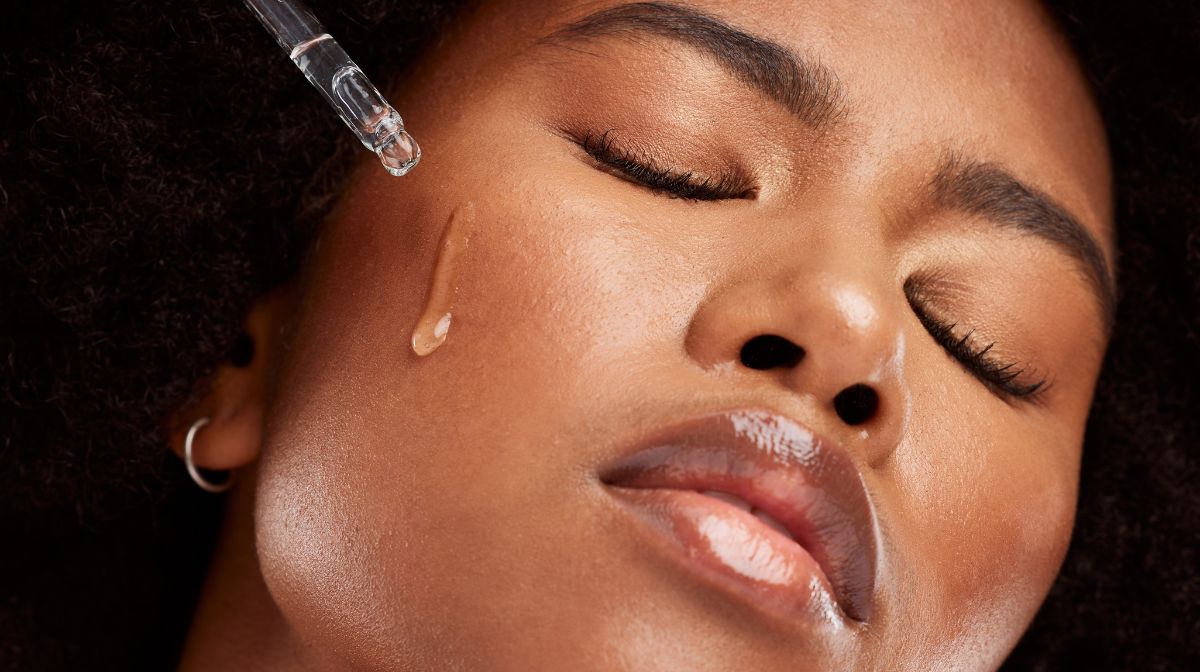
At-home skincare has evolved far beyond basic cleansers and moisturizers. Today, face masks and serums are two of the most relied-upon treatments for targeting specific skin concerns. While both promise visible improvements, they work in very different ways. Understanding how each functions can help you decide which one truly delivers better results for your skin goals.
Understanding Face Masks
Face masks are intensive, short-term treatments designed to address immediate skin needs. They are typically applied once or twice a week and left on the skin for a limited time.
What Face Masks Do Best
Face masks create a temporary occlusive layer that allows active ingredients to work more intensely. Depending on the formula, they can hydrate, purify, soothe, or brighten the skin.
Common benefits include:
-
Instant hydration for dry or dehydrated skin
-
Deep cleansing by absorbing excess oil and impurities
-
Calming effects for stressed or irritated skin
-
Quick glow boost before events or special occasions
Types of Face Masks
-
Clay masks for oil control and pore purification
-
Sheet masks for hydration and soothing
-
Gel masks for cooling and calming
-
Cream masks for nourishment and barrier repair
Face masks are ideal when your skin needs a reset or visible results in a short window of time.
Understanding Serums
Serums are lightweight, concentrated treatments designed for daily use. They penetrate deeper into the skin due to their smaller molecular structure.
What Serums Do Best
Serums focus on long-term skin improvement rather than instant gratification. They work gradually, improving skin health with consistent application.
Key advantages include:
-
Targeted treatment for concerns like aging, acne, or pigmentation
-
Deep penetration of active ingredients
-
Customizable routines by layering different serums
-
Daily support for skin repair and renewal
Common Serum Ingredients
-
Vitamin C for brightening and antioxidant protection
-
Hyaluronic acid for deep hydration
-
Niacinamide for oil balance and barrier support
-
Retinol for anti-aging and texture improvement
Serums are best suited for people seeking sustainable, long-term skin changes.
Face Masks vs. Serums: Key Differences
Purpose and Timing
-
Face masks deliver immediate, surface-level results
-
Serums offer progressive, deeper improvements over time
Frequency of Use
-
Masks: 1–3 times per week
-
Serums: 1–2 times daily
Skin Penetration
-
Masks mainly treat the outer layers of the skin
-
Serums penetrate into deeper layers, targeting cellular activity
Convenience
-
Masks require dedicated time and removal
-
Serums absorb quickly and fit easily into daily routines
Which One Delivers Better Results at Home?
The answer depends on what “better” means for your skin.
Choose face masks if you:
-
Want fast, visible results
-
Need occasional deep treatment
-
Are preparing for a special event
Choose serums if you:
-
Want long-term skin transformation
-
Are addressing chronic concerns like acne or aging
-
Prefer low-effort daily skincare
The Best Approach: Use Both Strategically
Rather than choosing one over the other, combining them delivers optimal results. A serum builds skin health daily, while a mask enhances and supports the skin when it needs extra care.
How to Use Masks and Serums Together
-
Cleanse your face thoroughly
-
Apply a face mask first (1–2 times weekly)
-
Rinse or remove the mask as directed
-
Follow with a serum to lock in benefits
-
Finish with moisturizer
This layered approach maximizes ingredient absorption and overall effectiveness.
FAQs
1. Can I use a face mask and serum on the same day?
Yes, using a serum after a mask can enhance results by sealing in hydration and active ingredients.
2. Are serums better for sensitive skin than masks?
Serums formulated for sensitive skin are often gentler, but soothing masks can also be beneficial when used occasionally.
3. Do face masks replace serums?
No, masks are supplemental treatments, while serums are designed for consistent daily use.
4. How long does it take to see results from serums?
Most people notice improvements within 2–6 weeks of regular use, depending on the ingredients.
5. Are sheet masks as effective as serums?
Sheet masks provide temporary hydration, but serums deliver longer-lasting benefits with consistent application.
6. Can oily skin benefit from serums?
Absolutely. Lightweight, oil-free serums can balance sebum production and improve skin clarity.
7. Is it necessary to use both in a skincare routine?
It’s not mandatory, but combining them offers both immediate and long-term benefits for healthier-looking skin.
