

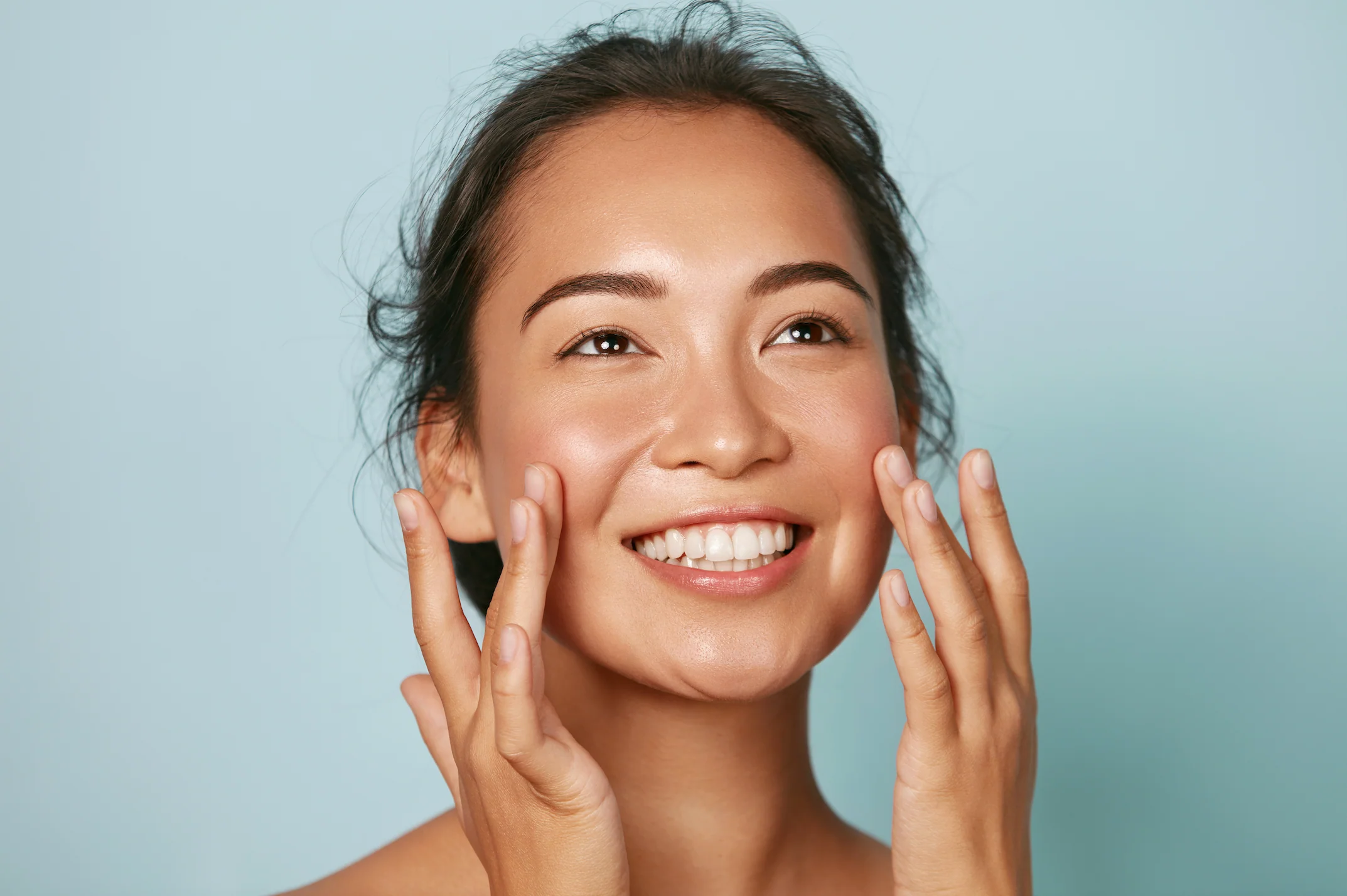
Skincare has undergone a quiet but powerful transformation. What once centered on surface-level beauty and quick cosmetic fixes has evolved into a deeper, science-informed philosophy focused on skin wellness, resilience, and long-term health. This shift reflects changing consumer values, advances in dermatological research, and a broader understanding of how skin connects to overall well-being.
The Early Era: Beauty as Appearance
For decades, skincare was primarily judged by how well it enhanced outward appearance. Products promised brighter complexions, fewer wrinkles, and instant glow—often without addressing the underlying health of the skin.
Common characteristics of this phase included:
-
Heavy reliance on makeup-adjacent skincare
-
Short-term results prioritized over long-term effects
-
Limited understanding of skin biology
-
Minimal attention to ingredient safety or barrier health
While many products delivered visible results, they often did so by masking issues rather than solving them.
The Scientific Shift: Understanding Skin as an Organ
As dermatology and cosmetic science advanced, skin began to be viewed not just as a canvas, but as a complex, living organ with protective, sensory, and immune functions.
This scientific lens changed everything.
Key developments included:
-
Recognition of the skin barrier and its role in preventing moisture loss and irritation
-
Research into cell turnover, collagen production, and inflammation
-
Improved testing methods for efficacy and safety
Skincare formulations became more targeted, balancing performance with skin tolerance.
The Rise of Skin Wellness
Skin wellness goes beyond treating isolated concerns. It focuses on maintaining balance, strength, and adaptability over time. This philosophy aligns skincare with health rather than vanity.
Core principles of skin wellness include:
-
Barrier-first care to protect and repair
-
Supporting the skin microbiome
-
Preventing damage instead of only correcting it
-
Customization based on skin type, lifestyle, and environment
Instead of chasing perfection, the goal is functional, comfortable, and resilient skin.
Ingredients With Intent
Modern skincare emphasizes why an ingredient is used, not just what it does. Consumers now seek transparency, evidence, and compatibility with their skin.
Popular ingredient categories reflect this mindset:
-
Ceramides and fatty acids for barrier repair
-
Antioxidants to neutralize environmental stress
-
Gentle exfoliants that respect skin renewal cycles
-
Soothing agents to manage inflammation
This intentional approach reduces overuse and minimizes long-term sensitivity.
Lifestyle Meets Skincare
Another defining change is the integration of skincare with daily habits. Skin health is now understood as a reflection of internal and external factors working together.
Important contributors include:
-
Sleep quality and stress management
-
Nutrition and hydration
-
Sun protection as a daily habit
-
Environmental awareness, including pollution exposure
Skincare routines have become simpler, more consistent, and better aligned with real life.
Sustainability and Ethical Awareness
The evolution of skincare philosophy also includes a moral dimension. Skin wellness extends to environmental and social responsibility.
Modern expectations often involve:
-
Thoughtful packaging choices
-
Reduced waste and refill systems
-
Cruelty-free testing practices
-
Ethical sourcing of ingredients
Wellness now applies not only to skin, but to the world it lives in.
The Future of Skincare Philosophy
Looking ahead, skincare continues to move toward personalization and prevention. Data-driven insights, skin diagnostics, and adaptive routines are shaping a future where skincare responds to change rather than reacts to damage.
The emphasis remains clear: healthy skin first, beauty as a natural outcome.
Frequently Asked Questions
What is the main difference between beauty-focused skincare and skin wellness?
Beauty-focused skincare aims at immediate visual results, while skin wellness prioritizes long-term skin health, balance, and function.
Can skin wellness routines still address concerns like acne or aging?
Yes. Skin wellness approaches treat these concerns by strengthening the skin’s natural systems rather than relying on harsh, short-term fixes.
Is skin wellness suitable for sensitive skin?
Absolutely. Skin wellness emphasizes barrier protection and gentle formulations, making it especially beneficial for sensitive skin types.
Does skin wellness mean using fewer products?
Often yes. Many people find that simplified routines with purposeful products are more effective and sustainable.
How long does it take to see results with a skin wellness approach?
Results may take longer than instant cosmetic fixes, but improvements are usually more stable and long-lasting.
Are natural ingredients always better for skin wellness?
Not necessarily. Effectiveness and compatibility matter more than whether an ingredient is natural or synthetic.
Can lifestyle changes really impact skin health?
Yes. Sleep, diet, stress, and sun exposure all play significant roles in how skin functions and ages over time.
