

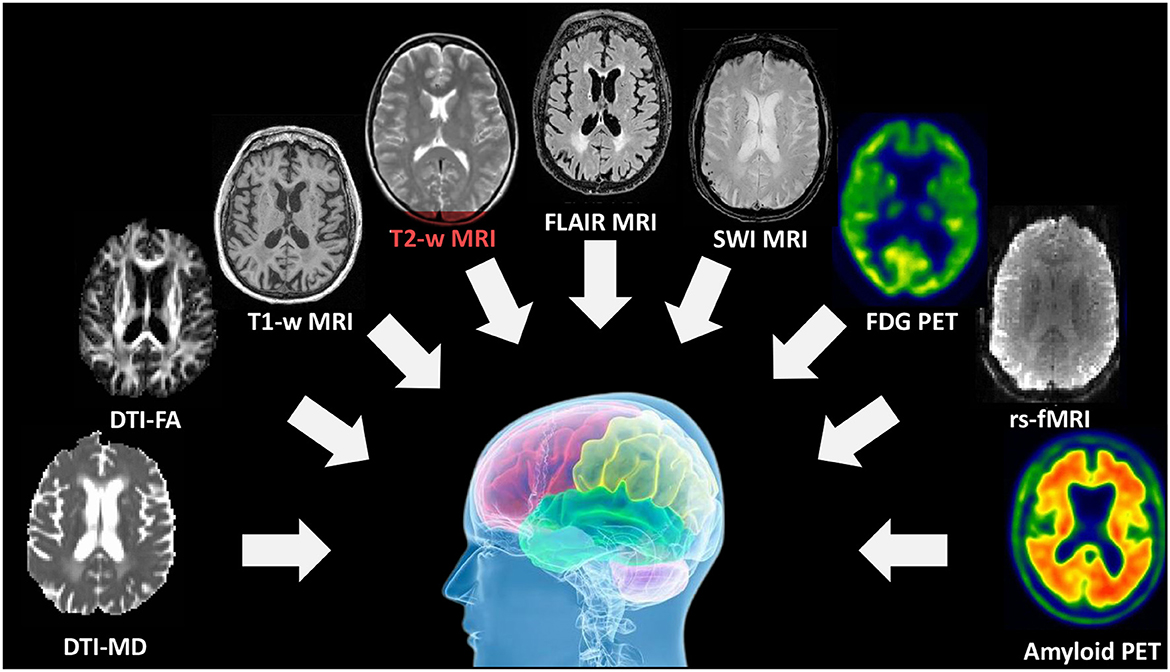
Artificial intelligence is transforming brain science at a pace that was unthinkable just a decade ago. By combining massive computing power with sophisticated learning algorithms, researchers can now explore the brain’s complexity in ways that were previously impossible. From decoding neural signals to accelerating the discovery of treatments for neurological disorders, AI is reshaping how we understand the human mind.
This convergence of neuroscience and AI is not about replacing scientists. Instead, it is about amplifying human insight, enabling faster discovery, deeper analysis, and more precise interventions.
Why Brain Science Needs AI
The human brain contains nearly 86 billion neurons, each forming thousands of connections. Traditional analytical methods struggle to handle this level of complexity.
AI addresses these challenges by offering:
-
Scalability to process massive datasets
-
Pattern recognition beyond human capability
-
Speed that reduces years of analysis to weeks or days
As a result, AI has become a critical tool for modern neuroscience research.
Mapping the Brain With Unprecedented Precision
One of the most significant contributions of AI is in brain mapping. Advanced machine learning models can analyze imaging data from fMRI, EEG, and MEG scans to reveal how different brain regions interact.
Key breakthroughs include:
-
Identification of previously unknown neural networks
-
High-resolution mapping of functional brain areas
-
Improved understanding of how cognition and emotion are organized
Institutions such as National Institutes of Health are leveraging AI-powered tools to build comprehensive brain atlases that guide global research.
Decoding Neural Signals and Thought Patterns
AI has made remarkable progress in interpreting neural activity. By training algorithms on large datasets, scientists can now translate brain signals into meaningful outputs.
This has enabled:
-
Brain–computer interfaces (BCIs) that restore communication for paralyzed patients
-
Early-stage decoding of speech and visual perception
-
Improved prosthetic control using neural input
Research groups at organizations like DeepMind have demonstrated how deep learning can model neural activity with striking accuracy.
Accelerating Drug Discovery and Treatment Development
Neurological disorders such as Alzheimer’s, Parkinson’s, and epilepsy are notoriously difficult to treat. AI is changing this landscape by accelerating drug discovery and personalization.
AI-driven models can:
-
Predict how molecules interact with neural pathways
-
Identify promising drug candidates faster than traditional methods
-
Personalize treatment plans based on individual brain data
This approach reduces both cost and time, helping promising therapies reach clinical trials sooner.
Understanding Brain Development and Aging
AI is also revealing how the brain changes over time. By analyzing longitudinal datasets, researchers can track developmental and aging patterns with precision.
Insights gained include:
-
Early markers of neurodevelopmental disorders
-
Subtle structural changes linked to cognitive decline
-
Differentiation between healthy aging and disease progression
These discoveries support earlier diagnosis and more effective interventions.
Ethical Considerations and Responsible AI Use
As AI becomes deeply embedded in brain science, ethical responsibility is essential. Brain data is among the most sensitive forms of personal information.
Key ethical priorities include:
-
Data privacy and security
-
Transparency in AI decision-making
-
Avoiding bias in training datasets
Global research communities, including groups supported by World Health Organization, are working to establish guidelines that ensure responsible innovation.
The Future of AI-Driven Brain Science
The next phase of brain science will likely blend AI, neuroscience, and clinical practice into a unified ecosystem. Future developments may include real-time brain monitoring, predictive mental health diagnostics, and adaptive neurotherapies.
What once required decades of research can now emerge in years—or even months—thanks to AI’s accelerating influence.
Frequently Asked Questions
How does AI differ from traditional neuroscience research tools?
AI can analyze vast datasets and detect patterns that are impossible to identify manually, making research faster and more precise.
Can AI truly understand how the brain works?
AI does not “understand” the brain in a human sense, but it can model neural activity and relationships with remarkable accuracy.
Is AI already being used in clinical brain treatments?
Yes, AI supports diagnostic imaging, treatment planning, and brain–computer interface development in clinical settings.
What types of data does AI analyze in brain science?
Common data sources include brain imaging scans, electrical neural signals, genetic data, and behavioral metrics.
Are there risks in using AI for brain research?
Risks include data misuse, biased algorithms, and overreliance on automated decisions without human oversight.
Will AI replace neuroscientists in the future?
No. AI acts as a powerful assistant, enhancing human expertise rather than replacing scientific judgment.
How soon will AI-driven brain therapies become mainstream?
Some applications are already in use, while more advanced therapies are expected to become common over the next decade as research matures.
