

Walk into any gym and you’ll hear the same debate echoing between racks and machines: compound exercises or isolation exercises—which one is better? The truth is, your body doesn’t pick sides. It responds to stimulus, intent, and balance. Understanding how each type of exercise affects your muscles, joints, and nervous system is the key to building a smarter, more effective training plan.
What Are Compound Exercises?
Compound exercises are movements that engage multiple muscle groups and joints at the same time. They mirror how your body naturally moves in real life—pushing, pulling, squatting, and hinging.
Common Compound Exercises
-
Squats
-
Deadlifts
-
Bench press
-
Pull-ups
-
Overhead press
-
Rows
Why Compound Exercises Matter
-
Higher muscle recruitment leads to more strength gains
-
Improved coordination and stability across joints
-
Greater calorie burn due to increased workload
-
Hormonal response that supports muscle growth
Compound lifts are especially effective for building strength, power, and overall athleticism.
What Are Isolation Exercises?
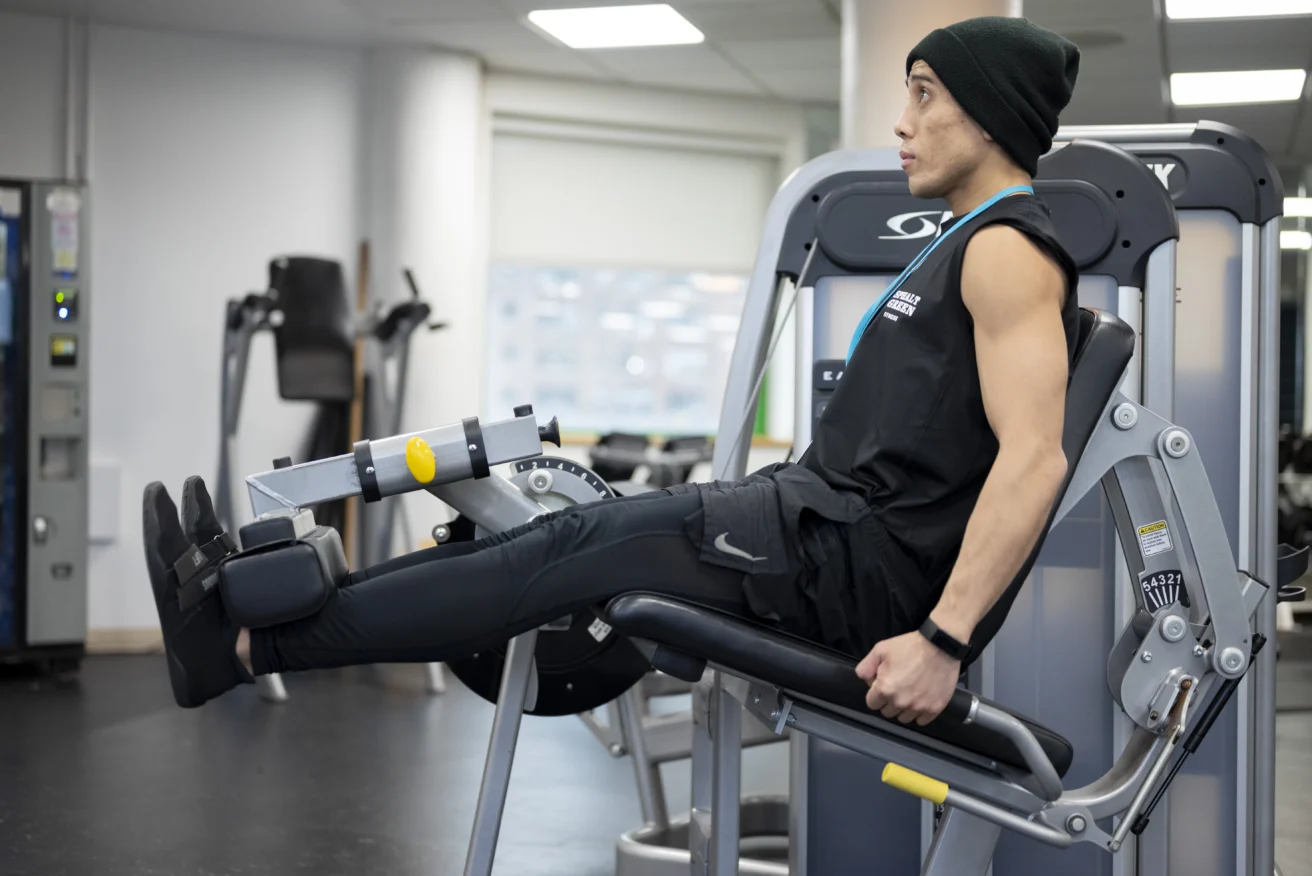
Isolation exercises target one primary muscle group and one joint at a time. They reduce assistance from surrounding muscles, forcing a specific muscle to do most of the work.
Common Isolation Exercises
-
Bicep curls
-
Tricep extensions
-
Leg curls
-
Leg extensions
-
Lateral raises
-
Calf raises
Why Isolation Exercises Matter
-
Precise muscle targeting
-
Improved muscle symmetry and definition
-
Helpful for injury rehab or muscle activation
-
Allows extra volume without excessive fatigue
Isolation work shines when aesthetics, weak-point training, or rehabilitation is the priority.
How Your Body Responds to Each Type
Your body adapts differently depending on the demand placed on it.
Compound Exercises Trigger:
-
Full-body neuromuscular engagement
-
Increased joint and connective tissue loading
-
Higher systemic fatigue
-
Faster overall strength progression
Isolation Exercises Trigger:
-
Localized muscle fatigue
-
Less joint stress
-
Better mind-muscle connection
-
Fine-tuned muscle development
Neither is superior on its own—they serve different physiological purposes.
Compound vs Isolation: Key Differences at a Glance
Compound Exercises
-
Multi-joint movements
-
Time-efficient
-
Ideal for beginners and strength-focused training
-
Foundation of athletic performance
Isolation Exercises
-
Single-joint movements
-
Excellent for shaping and detail
-
Best for advanced lifters and rehab
-
Supports muscle balance
What Your Body Actually Needs
Your body thrives on variety and progression, not extremes.
For Most People, the Ideal Approach Is:
-
70–80% compound exercises for strength and muscle mass
-
20–30% isolation exercises for balance, aesthetics, and joint health
Adjust Based on Your Goal
-
Fat loss: Emphasize compound lifts
-
Muscle growth: Combine both strategically
-
Bodybuilding: Compound first, isolation after
-
Rehabilitation: Isolation before compound reintroduction
Common Mistakes to Avoid
-
Skipping isolation work entirely and creating muscle imbalances
-
Relying only on isolation exercises for full-body progress
-
Using poor form on compound lifts due to excessive load
-
Treating one method as “wrong” instead of complementary
How to Combine Them in One Workout
A smart session usually follows this structure:
-
Start with compound movements while energy is high
-
Finish with isolation exercises to fully fatigue specific muscles
Example:
-
Squats → Leg press → Leg curls → Calf raises
-
Bench press → Shoulder press → Lateral raises → Tricep extensions
This approach respects both performance and muscle development.
Final Takeaway
Your body doesn’t choose between compound and isolation exercises—it needs both. Compound movements build the foundation: strength, coordination, and efficiency. Isolation exercises refine that foundation, correcting imbalances and enhancing muscle detail. When combined intelligently, they create a training system that is sustainable, effective, and adaptable to your goals.
Frequently Asked Questions (FAQ)
1. Can beginners start with compound exercises?
Yes. Compound exercises are ideal for beginners when performed with proper form and manageable weights.
2. Are isolation exercises useless for strength?
No. While they don’t build maximal strength alone, they support strength gains by reinforcing weak muscles.
3. Which burns more calories: compound or isolation exercises?
Compound exercises burn more calories due to higher muscle involvement and energy demand.
4. Should isolation exercises be done every workout?
Not necessarily. Frequency depends on training volume, recovery, and individual goals.
5. Can isolation exercises help prevent injuries?
Yes. Strengthening smaller stabilizing muscles can improve joint health and reduce injury risk.
6. Is it possible to build muscle using only compound exercises?
Yes, but muscle symmetry and full development may be limited without isolation work.
7. How many isolation exercises should I include per session?
Typically 2–4 isolation movements are sufficient when combined with compound lifts.
