

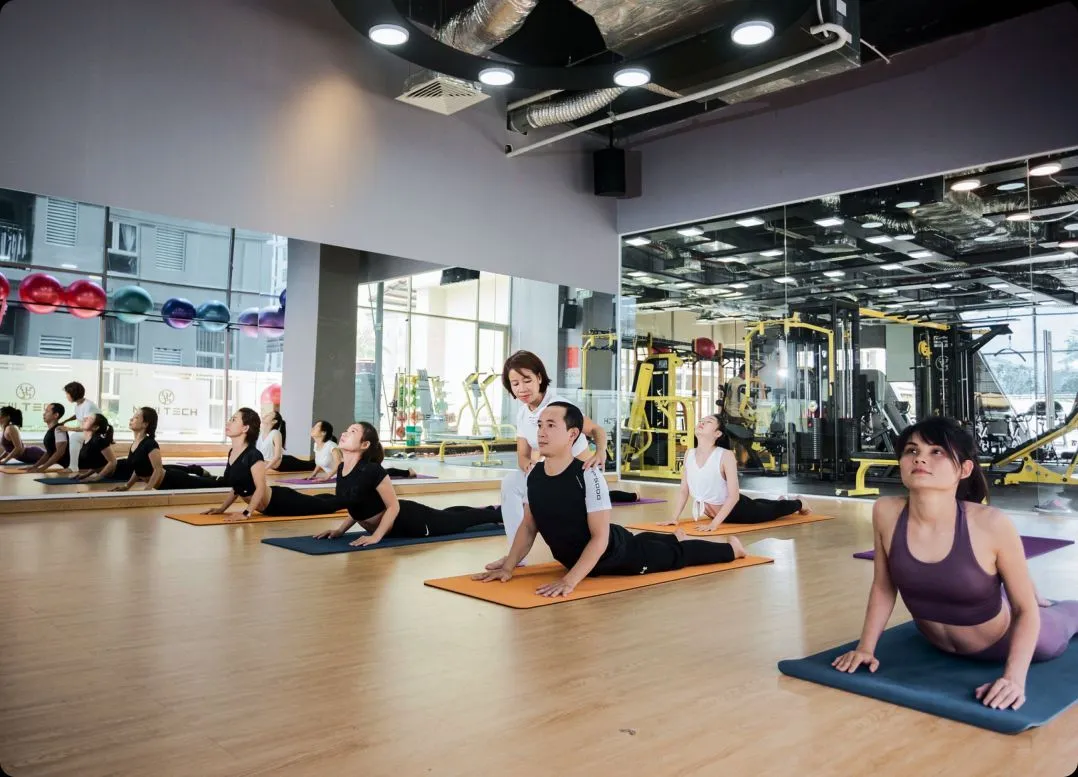
In Singapore, fitness culture has evolved far beyond traditional gym workouts. People are no longer satisfied with repetitive, isolated exercises. They want programmes that improve how their bodies perform in everyday life. This shift explains the growing popularity of fitness classes Singapore, where functional training takes centre stage. These classes are built around the science of movement efficiency, muscle coordination, and long-term health improvement, making them a powerful option for anyone aiming to enhance strength and vitality in a sustainable way.
What Functional Fitness Really Means
Functional fitness focuses on movements that mirror real-life activities. Instead of isolating muscles, these workouts engage multiple muscle groups simultaneously to improve balance, agility, and strength. The idea is simple: train your body to move better, not just look better.
For example, squats improve mobility for sitting and standing, lunges help with walking stability, and rotational exercises enhance daily twisting motions such as reaching for objects. This holistic approach ensures strength and endurance are developed in ways that directly enhance everyday performance.
The Science Behind Functional Movement
Functional fitness is grounded in biomechanics and kinesiology, which study how the human body moves. These disciplines show that muscle coordination, joint stability, and mobility work together to form efficient movement patterns. When a workout plan emphasises these elements, it prevents overuse injuries and builds strength that translates beyond the gym.
Key scientific principles applied in functional training include:
-
Multi-planar movement: Training in all three planes of motion—sagittal, frontal, and transverse—ensures full-body balance.
-
Neuromuscular adaptation: Repetitive, varied movements strengthen communication between the nervous system and muscles.
-
Core integration: Functional workouts strengthen the body’s stabilising muscles, improving posture and reducing back strain.
-
Proprioception: Exercises that challenge balance train the brain to coordinate movements more effectively.
By targeting these mechanisms, functional fitness builds a more resilient and responsive body.
Why Singapore’s Fitness Scene Embraced Functional Training
The fast-paced, urban lifestyle in Singapore demands workouts that maximise results within limited time. Functional training suits this perfectly. It provides both cardio and strength benefits in shorter sessions, appealing to professionals managing demanding schedules. Additionally, the humid climate makes indoor group training a more comfortable option, driving the popularity of structured studio classes.
Moreover, Singapore’s population is health-conscious and tech-savvy. People prefer evidence-based training backed by measurable progress. Functional fitness fits this demand because it aligns with modern wellness science while offering flexibility to adapt to different age groups and fitness levels.
Functional Training for Longevity and Mobility
Unlike aesthetic-based workouts, functional fitness focuses on mobility and movement efficiency. This approach plays a crucial role in healthy ageing. By improving balance, flexibility, and muscle coordination, it reduces the risk of falls, joint pain, and muscle stiffness that typically increase with age.
Studies have shown that functional strength exercises stimulate neuroplasticity, the brain’s ability to form new connections. This means participants not only move better but also maintain cognitive sharpness as they age. It’s one reason why functional classes are attracting not just the young but also middle-aged and older adults seeking independence and long-term vitality.
Core Components of Functional Fitness Classes
Functional classes in Singapore typically include five key components that form the foundation of movement-based training. These include:
-
Mobility Drills: Gentle yet dynamic stretches to improve joint flexibility and prepare the body for movement.
-
Strength Training: Compound exercises like squats, push-ups, and deadlifts that engage multiple muscle groups.
-
Balance Work: Stability ball, BOSU, or single-leg exercises to enhance body control and prevent injuries.
-
Cardio Intervals: Short, high-intensity bursts that improve heart health and endurance.
-
Recovery Practices: Foam rolling, stretching, and breathing work to aid muscle recovery and prevent fatigue.
Each session is designed to mimic natural movement chains, ensuring every participant trains the body as a connected system rather than isolated parts.
How Smart Training Maximises Results
Modern fitness classes in Singapore integrate smart technology to make functional training more precise and measurable. Wearable devices track heart rate, calories burned, and muscle activation levels. Trainers use data analytics to adjust sessions in real time, ensuring each participant trains within their optimal performance zone.
At facilities like True Fitness Singapore, smart equipment and digital interfaces allow trainers to create adaptive workout programmes. This combination of technology and human expertise ensures training remains safe, efficient, and tailored to individual progress.
The Role of Recovery in Functional Fitness
Recovery is a vital yet often overlooked part of long-term training success. Functional fitness prioritises recovery to ensure the body can adapt positively to stress. Active recovery sessions, stretching, and mobility work are integral parts of class structures in Singapore’s top studios.
When recovery protocols are followed correctly, participants experience:
-
Improved muscle repair and growth
-
Reduced inflammation and soreness
-
Better hormonal balance
-
Enhanced sleep quality and stress management
This balanced approach prevents burnout and maintains motivation, which is crucial for sustainable fitness progress.
Functional Fitness and Mental Wellbeing
Singapore’s high-pressure environment often leads to chronic stress and fatigue. Functional training offers mental relief by focusing on mindfulness through movement. The coordination required during complex exercises draws attention away from daily worries, creating a meditative rhythm that improves mental clarity.
Additionally, functional workouts release endorphins and improve serotonin levels, promoting emotional stability. Many participants report increased focus, better sleep, and an overall sense of empowerment after consistent training.
Integrating Functional Training into a Busy Lifestyle
One of the most attractive aspects of functional fitness is its adaptability. Even those with demanding work schedules can fit in short sessions that still deliver full-body benefits. A 45-minute functional class can combine cardio, strength, and balance training effectively, saving time without compromising results.
Participants can also integrate micro-sessions into daily routines. Simple actions like taking stairs, doing bodyweight squats at home, or performing resistance band exercises during breaks contribute to maintaining functionality and strength throughout the day.
How Functional Fitness Supports Weight Management
Weight management is often a key goal for many participants. Functional workouts help by increasing metabolic rate and improving muscle efficiency. Since these classes involve compound movements that activate large muscle groups, calorie expenditure remains high both during and after training. The combination of strength and cardio improves fat oxidation and lean muscle development, leading to sustainable body composition changes.
Common Myths About Functional Training
Despite its growing popularity, misconceptions about functional fitness still exist. Some believe it’s too intense or only suitable for athletes. In reality, functional classes in Singapore are adaptable and scalable. Trainers customise exercises based on individual ability, ensuring participants of all levels benefit safely.
Another misconception is that functional training lacks structure. On the contrary, it follows a scientific progression, focusing on skill acquisition, movement mastery, and gradual intensity increase.
Building a Functional Mindset
True progress in functional fitness comes from shifting one’s perspective. Instead of focusing solely on physical appearance, success is measured by improvements in daily capability—how easily one can move, lift, carry, and live actively. This mindset encourages consistency and celebrates incremental progress, fostering a healthier, more sustainable relationship with fitness.
The Future of Functional Fitness in Singapore
With increasing health awareness and technological advancement, Singapore’s fitness industry is evolving rapidly. Future trends are expected to blend biomechanics research with wearable AI, offering even more personalised movement feedback. Functional fitness will continue to dominate because it represents a lifestyle approach rather than a temporary trend.
More workplaces are also expected to introduce movement-focused wellness programmes, making functional training part of daily corporate life. As people continue to value health as a long-term investment, these science-backed classes will play a central role in defining modern fitness culture.
FAQs
Q1: Are functional fitness classes suitable for beginners?
Yes. Functional workouts are easily adjustable. Trainers can modify intensity and resistance to match each participant’s ability, making them ideal for both beginners and experienced individuals.
Q2: What equipment is commonly used in functional training?
Classes often use resistance bands, kettlebells, medicine balls, and balance boards. These tools help mimic real-world movement and engage stabilising muscles.
Q3: How often should one attend functional fitness classes to see results?
Attending two to three classes a week is sufficient to notice improvements in mobility, balance, and strength within four to six weeks.
Q4: Can functional fitness help prevent injuries?
Yes. The exercises strengthen core muscles and improve joint stability, which reduces the likelihood of injuries from daily activities or sports.
Q5: What makes functional fitness different from traditional gym workouts?
Traditional workouts often isolate muscles, while functional training integrates them. This leads to more balanced, efficient, and practical strength gains.
This in-depth exploration of functional fitness demonstrates that the movement-based approach behind fitness classes Singapore isn’t just about working out harder. It’s about training smarter, moving better, and living longer.