

Every fermented food you’ve ever loved, yoghurt, kefir, kombucha, sourdough, even a good aged cheese, started life with a starter culture. These living communities of bacteria and yeast are the engine room of fermentation, converting plain milk, tea, or dough into something with tang, texture, and a genuinely different nutritional profile. For anyone new to home fermentation, understanding starter cultures is the single most useful piece of knowledge you can pick up before your first batch.
This guide breaks down the main types of starter cultures used in home kitchens across Australia, how they differ from one another, and the practical considerations that make the difference between a thriving culture and one that fizzles out within a few weeks.
What Is a Starter Culture?
A starter culture is a concentrated, living population of microorganisms, usually specific strains of bacteria, yeast, or a symbiotic combination of both, introduced into a base ingredient to kick-start fermentation. Rather than relying on whatever wild microbes happen to be floating around your kitchen (which is how some traditional ferments like sauerkraut work), a starter culture gives you a predictable, repeatable, and food-safe starting point.
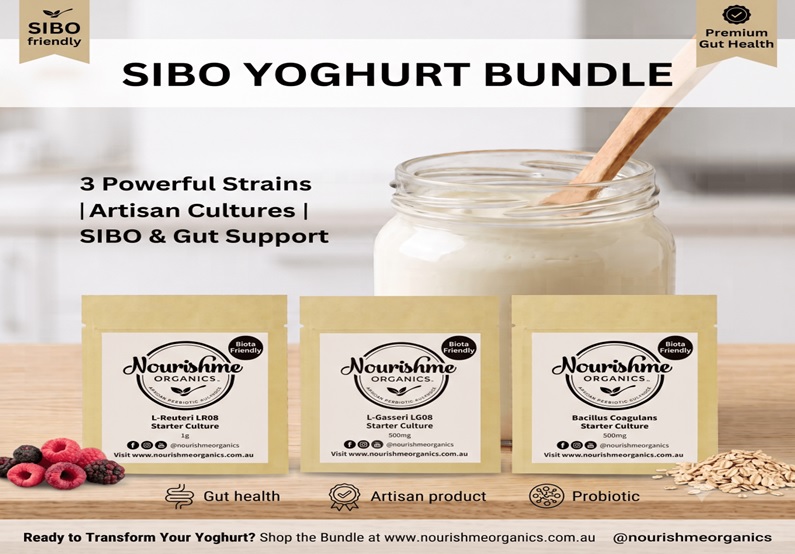
Starter cultures generally come in one of two forms: dried powder sachets, which are typically single-use, or live cultures like grains and SCOBYs, which can be propagated indefinitely with proper care. Each has trade-offs worth understanding before you commit to one over the other.
Yoghurt Culture: The Most Forgiving Starting Point
For most beginners, a good yoghurt culture is the gentlest introduction to fermentation. Yoghurt cultures rely on thermophilic bacteria strains, typically varieties of Streptococcus and Lactobacillus, that thrive at a consistent, moderately warm temperature, usually somewhere between 40°C and 45°C.
The process is straightforward: heat milk to just below boiling to denature proteins, cool it to the target incubation temperature, stir through your starter culture, then hold that temperature for six to twelve hours while the bacteria do their work. A yoghurt maker or an insulated esky with warm water can substitute for specialised equipment if you’re just testing the waters.
What makes yoghurt culture particularly beginner-friendly is its predictability. Unlike more finicky ferments, yoghurt has a fairly wide margin for error on timing and temperature, and a batch that goes slightly wrong is usually still perfectly edible, just runnier or tangier than intended.
Kefir Cultures: Slightly Wilder, Slightly More Rewarding
Where yoghurt cultures are a defined blend of specific bacterial strains, kefir cultures are a genuinely different beast. Kefir grains, which aren’t grains at all, but small cauliflower-like clusters of bacteria and yeast held together in a polysaccharide matrix, ferment milk or sugar water at room temperature, without the need for precise heat control.
This is both the appeal and the learning curve of kefir. The grains are a living culture that needs ongoing care: regular feeding, straining, and a reasonably consistent environment to stay healthy. In return, they offer something dried starter sachets can’t, indefinite reuse. A well-maintained batch of kefir grains can, in theory, keep producing kefir for years, with the culture actually multiplying over time to the point where home fermenters often end up with surplus grains to share.
The trade-off is a slightly steeper initial learning curve around grain-to-liquid ratios, straining technique, and recognising what a healthy versus a stressed culture looks like.
Kombucha Cultures: Patience Pays Off
Kombucha cultures, built around a SCOBY, or symbiotic culture of bacteria and yeast, take the longest of the common starter cultures to produce a finished product, typically one to three weeks per batch. The SCOBY itself is a rubbery, pancake-like disc that floats on top of sweetened black or green tea, converting the sugar into a mildly effervescent, tangy drink over the course of the fermentation.
Like kefir grains, a kombucha SCOBY is reusable and self-propagating, each fermentation cycle typically produces a “baby” SCOBY that can be used to start an entirely new batch or given away. The main considerations for kombucha are temperature (warmer conditions speed fermentation but increase acidity faster) and hygiene, since the longer fermentation window gives more opportunity for unwanted contaminants if equipment isn’t kept clean.
Beyond the Culture: Equipment That Actually Matters
While the starter culture is doing the biological heavy lifting, a handful of supporting tools make the difference between a smooth process and a frustrating one. Wide-mouth glass jars, breathable cloth covers secured with a rubber band (rather than a sealed lid, which can trap gas), and a dedicated set of straining tools for grains all reduce the fiddliness of day-to-day maintenance.
For those branching into cultured dairy beyond yoghurt and kefir, soft cheeses, labneh, or cultured butter, a bamboo cheese press is a genuinely useful addition. Pressing out excess whey through natural bamboo slats produces a firmer, longer-lasting result than simply straining through cloth alone, and it’s a low-cost way to extend your starter culture skills into cheesemaking without a large equipment investment.
Storing and Maintaining Your Cultures
Live cultures like kefir grains and SCOBYs need ongoing attention, but the maintenance routine is lighter than most people expect. Kefir grains generally need fresh milk every 24 to 48 hours at room temperature, or can be slowed down significantly by refrigeration for short breaks. SCOBYs can rest in a “hotel”, a jar of sweetened tea kept on standby, for weeks at a time if you need a break from active brewing.
Dried starter sachets, by contrast, need only cool, dry, dark storage until use, making them a low-maintenance option for anyone not ready to commit to an ongoing living culture.
Troubleshooting a Struggling Culture
Even experienced fermenters run into the occasional stubborn batch, and knowing what’s normal versus what signals a genuine problem saves a lot of unnecessary culture-tossing. A slightly slow first batch after receiving live grains or a SCOBY is completely normal, cultures often need two or three cycles to fully wake up after transit or dormant storage, and activity generally builds with each subsequent batch.
A change in smell is usually the most reliable indicator of an actual issue. Fermentation should smell tangy, slightly yeasty, or sour depending on the culture, a sharp, distinctly unpleasant, or solvent-like smell is a sign something has gone wrong and the batch is best discarded. Visible fuzzy mould (as opposed to the harmless white yeast bloom that can appear on kefir grains or kombucha) is another clear signal to start fresh rather than push through.
Temperature swings are the most common root cause of underperforming cultures. A kitchen that fluctuates between a warm afternoon and a cool overnight low puts more stress on a culture than a stable, moderate environment, even if that stable environment sits slightly outside the “ideal” range on paper. Consistency tends to matter more than precision.
Frequently Asked Questions
How long do starter cultures last if I’m not using them regularly?
Dried sachets typically have a shelf life of six to twelve months if stored correctly. Live cultures like kefir grains and SCOBYs can be slowed via refrigeration for a few weeks, or dehydrated for longer-term storage, though reactivating a dehydrated culture takes a bit more patience than working with an active one.
Can I mix different starter cultures in the same batch?
Generally, no. Each culture is balanced for its specific ratio of bacterial and yeast strains, and introducing a second culture type risks destabilising both, producing unpredictable flavour and texture results rather than a hybrid benefit.
Choosing the Right Starting Point
If you’re brand new to fermentation, a yoghurt culture offers the gentlest introduction with the most forgiving margin for error. If you’re after a project you can maintain indefinitely without heat equipment, kefir grains are worth the slightly steeper learning curve. And if patience and a taste for something fizzy and tangy sound appealing, a kombucha SCOBY rewards the wait with a drink that’s genuinely hard to replicate with any shortcut.
Whichever starter culture you begin with, the skills transfer. Understanding fermentation temperature ranges, hygiene basics, and how to read the signs of a healthy versus struggling culture will serve you well no matter which ferment you tackle next.