

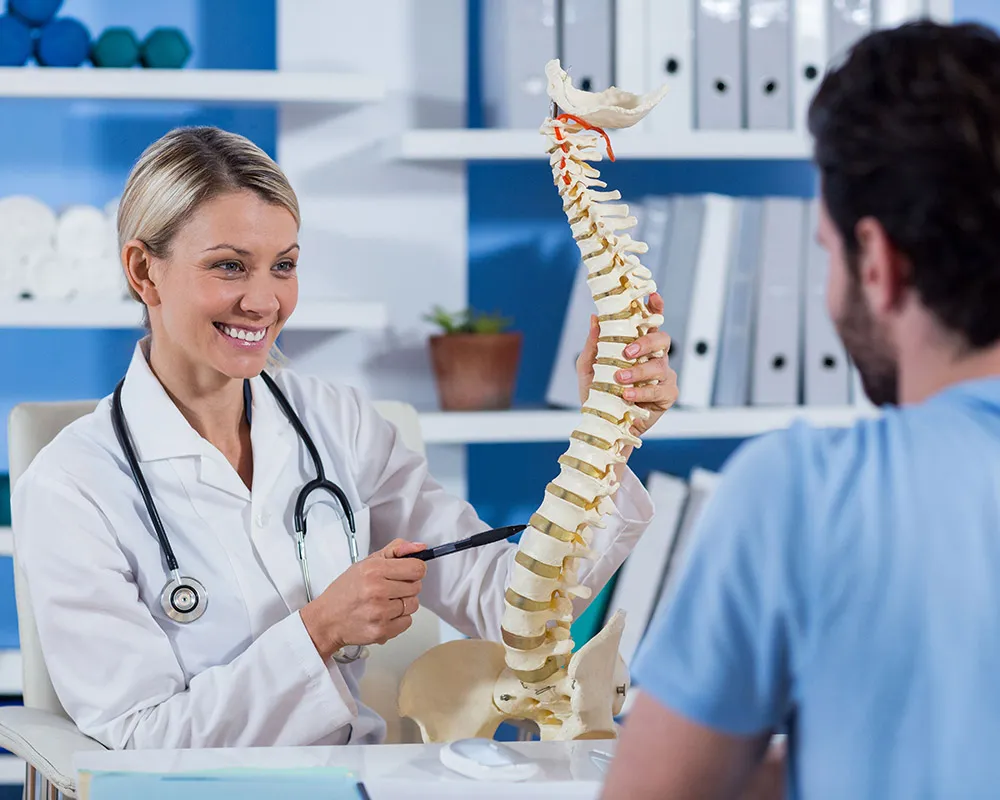
Pain, stiffness or reduced movement can affect far more than the area where symptoms first appear. A sore knee may change how someone walks, a shoulder problem may limit work or exercise, and ongoing back pain can interfere with sleep and daily routine. Seeing an orthopedic surgeon in Thailand can be a positive step for people who need a proper diagnosis, treatment options and guidance on how to recover safely.
Orthopaedic Problems Are Not Always Obvious
Some injuries are clear from the start, such as a fracture, torn ligament or sudden sports injury. Others develop slowly. Joint wear, tendon irritation, posture-related strain, muscle imbalance or early arthritis may begin as mild discomfort before becoming more persistent.
This gradual pattern can make people delay seeking help. They may assume the problem will settle on its own, or they may adjust their movements without realising it. Over time, this can put extra pressure on other parts of the body. For example, hip pain may affect the lower back, while ankle instability can influence the knee.
A specialist assessment helps identify whether the problem is minor and manageable or whether it needs more structured treatment.
Diagnosis Comes Before Treatment
Good orthopaedic care starts with understanding the cause of the symptoms. Pain in the same area can come from different sources. Knee pain may be linked to cartilage, ligaments, tendons, joint alignment or referred pain from elsewhere. Shoulder pain may involve the rotator cuff, joint capsule, nerves or surrounding muscles.
A consultation may include questions about symptoms, lifestyle, work, exercise habits, previous injuries and how the pain affects daily activity. The doctor may also assess range of movement, strength, swelling, tenderness and stability. Imaging such as X-rays, ultrasound or MRI scans may be recommended if more detail is needed.
This process matters because treatment should be based on evidence rather than guesswork. The right diagnosis helps avoid unnecessary procedures and supports a clearer recovery plan.
Surgery Is Only One Part of Orthopaedic Care
Although the word surgeon can make people think immediately of operations, many orthopaedic conditions are treated without surgery. Depending on the issue, treatment may include medication, physiotherapy, targeted exercise, bracing, injections, lifestyle changes, posture advice or activity modification.
Non-surgical treatment is often the first step for conditions such as mild arthritis, tendon problems, lower back pain, early joint discomfort or some sports injuries. The goal may be to reduce pain, restore movement, build strength and prevent the problem from returning.
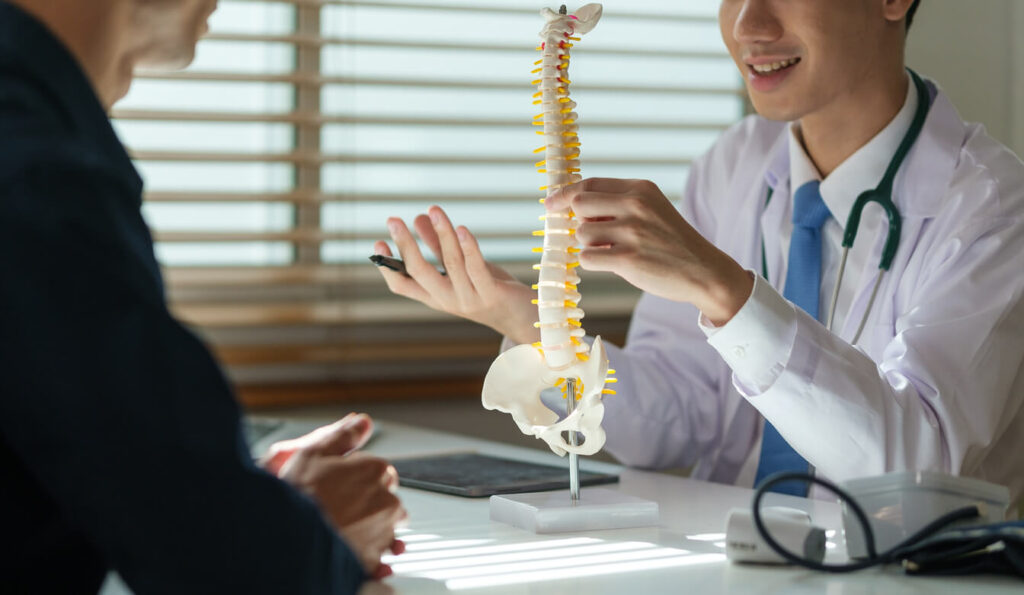
Surgery may be considered when conservative care is not enough, when the injury is severe, or when the structure of the joint or bone requires repair. A good specialist should explain why surgery is or is not recommended, what alternatives exist and what recovery would involve.
Recovery Needs a Clear Plan
Treatment does not end once pain begins to improve. Recovery often depends on rebuilding strength, restoring movement and returning to normal activity at the right pace. Moving too quickly can lead to setbacks, while resting too long can cause weakness and stiffness.
A clear rehabilitation plan can help patients understand what to do at each stage. This may include physiotherapy exercises, movement restrictions, follow-up appointments and guidance on returning to work, sport or daily tasks.
For active people, recovery planning is especially important. A runner, golfer, swimmer or gym user may need specific advice to avoid repeating the same injury. For older adults, the focus may be on mobility, balance, independence and reducing the risk of future falls.
When to Seek Specialist Advice
Specialist advice is worth considering when pain is severe, lasts more than a short period, keeps returning, limits movement or affects normal activities. Swelling, instability, numbness, weakness, deformity or difficulty bearing weight should also be assessed promptly.
People should also seek help after accidents, falls or sports injuries, especially if symptoms do not improve as expected. Early assessment can often make treatment simpler and prevent further damage.
Bone and joint problems are easier to manage when they are understood properly. Whether the issue is new, long-standing or linked to injury, specialist orthopaedic care can help patients make informed decisions, choose suitable treatment and return to movement with greater confidence.