

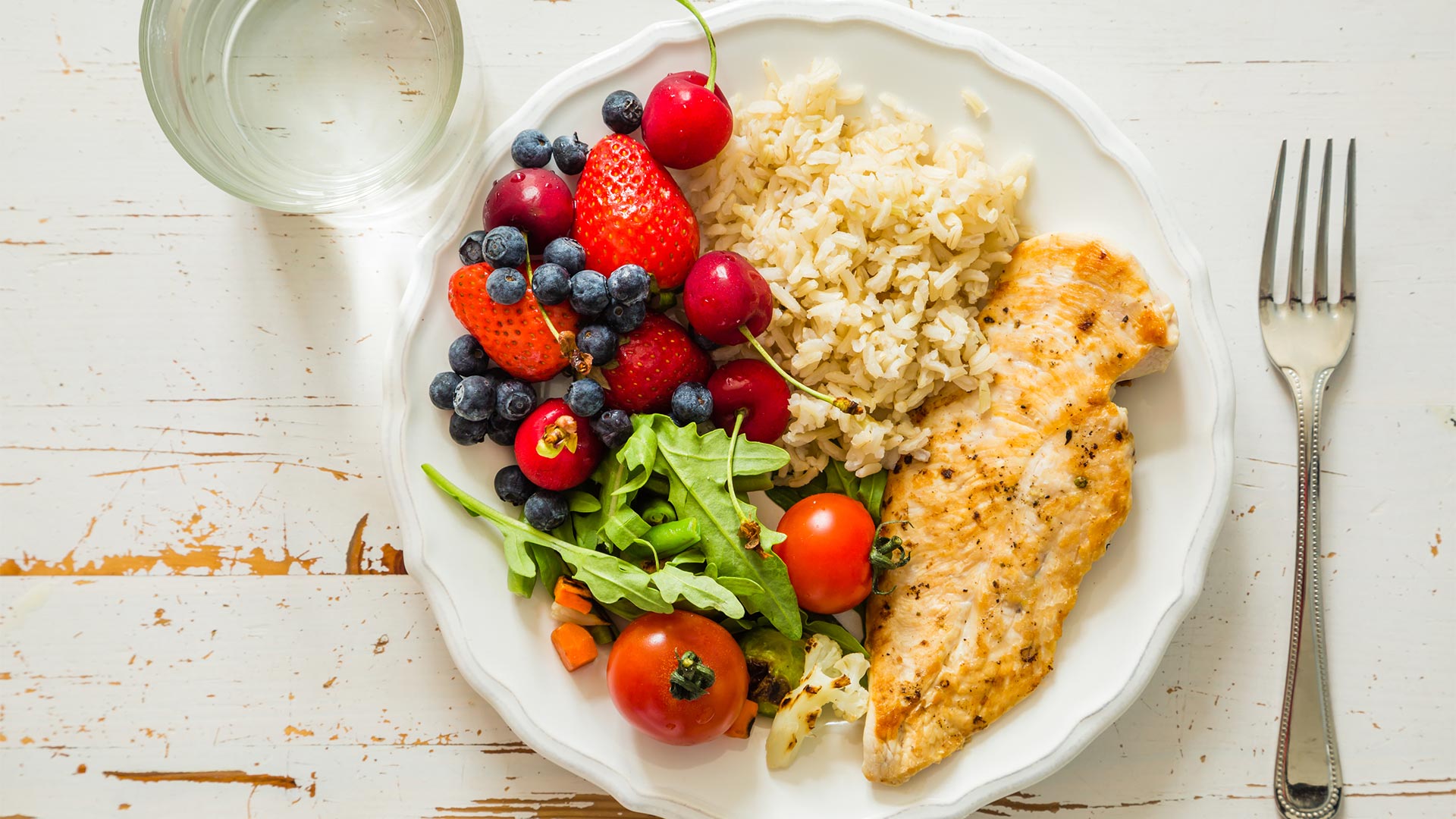
Eating well doesn’t have to mean tracking every bite or living by a calorie-counting app. In fact, many people find long-term success by focusing on balance, variety, and awareness instead of numbers. Building a balanced plate is a practical, sustainable way to nourish your body while still enjoying food.
This approach works because it aligns with how people naturally eat—by meals, not spreadsheets—and it supports energy, digestion, and overall health without mental overload.
Why You Don’t Need to Count Calories to Eat Well
Calorie counting can be helpful for some goals, but it often becomes exhausting and difficult to maintain. A balanced plate approach shifts attention to food quality and proportion, which naturally regulates intake.
When meals include the right mix of nutrients, your body becomes better at:
-
Recognizing hunger and fullness cues
-
Maintaining steady energy levels
-
Reducing cravings caused by nutrient gaps
Instead of asking “How many calories is this?”, you start asking, “Does this meal support my body?”
What a Balanced Plate Actually Means
A balanced plate includes all major macronutrients and plenty of micronutrients, arranged in a way that supports satisfaction and nourishment.
The Simple Plate Method
Imagine your plate divided visually:
-
½ of the plate: Non-starchy vegetables
-
¼ of the plate: Protein
-
¼ of the plate: Carbohydrates
-
Add fats: In small but meaningful amounts
This method works across cuisines and eating styles, from home-cooked meals to restaurant dining.
Vegetables: The Foundation of the Plate
Vegetables bring volume, fiber, vitamins, and minerals with relatively low energy density, making meals both filling and nourishing.
Aim for variety and color, such as:
-
Leafy greens (spinach, kale, arugula)
-
Cruciferous vegetables (broccoli, cauliflower)
-
Bright options (peppers, carrots, tomatoes)
The more colors on your plate, the broader the nutrient coverage.
Protein: The Anchor That Keeps You Full
Protein supports muscle health, hormones, and long-lasting satiety. Including it at every meal helps prevent energy crashes and excessive snacking later.
Good protein choices include:
-
Eggs, poultry, fish, or lean meats
-
Beans, lentils, and chickpeas
-
Tofu, tempeh, or yogurt
Portion-wise, a serving about the size of your palm is a useful visual guide.
Carbohydrates: Energy Without the Guilt
Carbs often get misunderstood, but they are your body’s preferred energy source. The key is choosing quality and appropriate portions.
Focus on:
-
Whole grains like rice, oats, and quinoa
-
Starchy vegetables such as potatoes or squash
-
Fruits as naturally sweet carb sources
Keeping carbs to about a quarter of the plate helps balance energy without excess.
Healthy Fats: Small Amounts, Big Impact
Fats enhance flavor, improve nutrient absorption, and contribute to satisfaction. You don’t need much, but you do need some.
Examples include:
-
Olive oil or avocado oil
-
Nuts and seeds
-
Avocados
Think of fats as a finishing touch rather than the base of the meal.
Using Your Hands Instead of Measuring Tools
One of the most practical parts of balanced eating is portion guidance using your hands:
-
Palm = protein
-
Fist = vegetables
-
Cupped hand = carbohydrates
-
Thumb = fats
Your hands scale naturally with your body size, making this method intuitive and adaptable.
Eating Out While Keeping Your Plate Balanced
Restaurant meals don’t need to derail your habits. Look for simple adjustments:
-
Add a side of vegetables if the dish is carb-heavy
-
Stop eating when comfortably full, not stuffed
-
Prioritize protein-rich options
Balance over perfection is what matters most.
Progress Comes From Consistency, Not Precision
Balanced eating is not about getting every meal “right.” Some meals will be lighter, others richer—and that’s normal. Over time, consistent balance across days and weeks matters far more than individual meals.
This approach supports a healthier relationship with food while fitting into real life.
Frequently Asked Questions
Can I still lose weight without counting calories?
Yes. Many people lose weight by improving food quality, portion balance, and consistency without tracking numbers.
Is the balanced plate approach suitable for athletes?
Absolutely. Athletes may simply increase carbohydrate and protein portions while keeping the same plate structure.
What if I don’t like vegetables?
Start small and experiment with cooking methods like roasting, seasoning, or blending them into meals you already enjoy.
Does this method work for vegetarians or vegans?
Yes. Plant-based proteins and whole-food carbohydrates fit naturally into the balanced plate model.
How often should I eat balanced meals?
Aim for most main meals to follow this structure, while allowing flexibility for snacks and social occasions.
Can kids follow the balanced plate approach?
Yes. It’s a gentle, visual way to encourage healthy eating habits without restriction or food rules.
What if my hunger levels change day to day?
That’s normal. Adjust portion sizes based on activity, stress, and appetite while keeping the same balance principle.
